13 Night in the Shadow of ISIS
An experimental travelogue film while on assignment covering the human toll of the war ISIS on Iraqi Kurds.
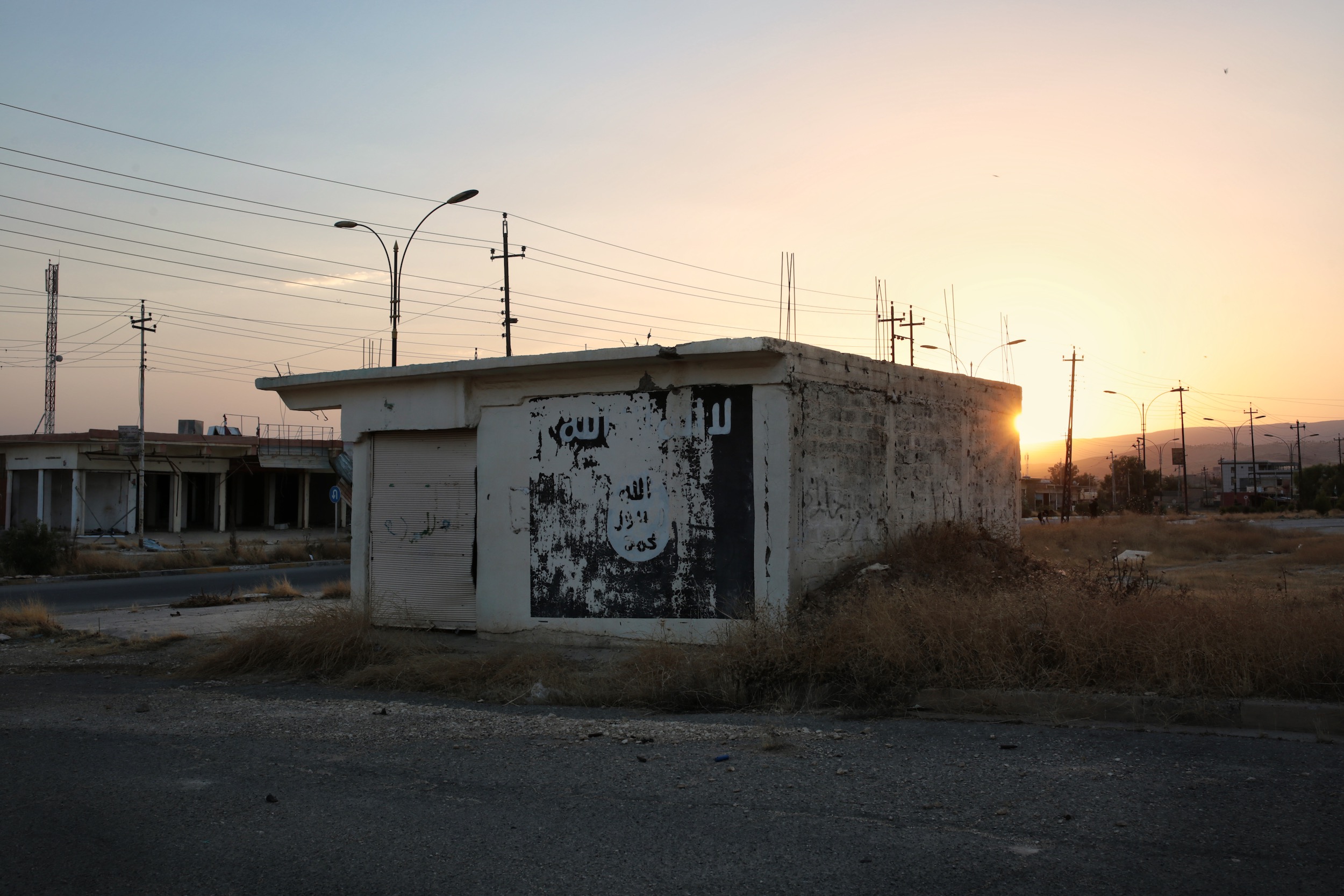
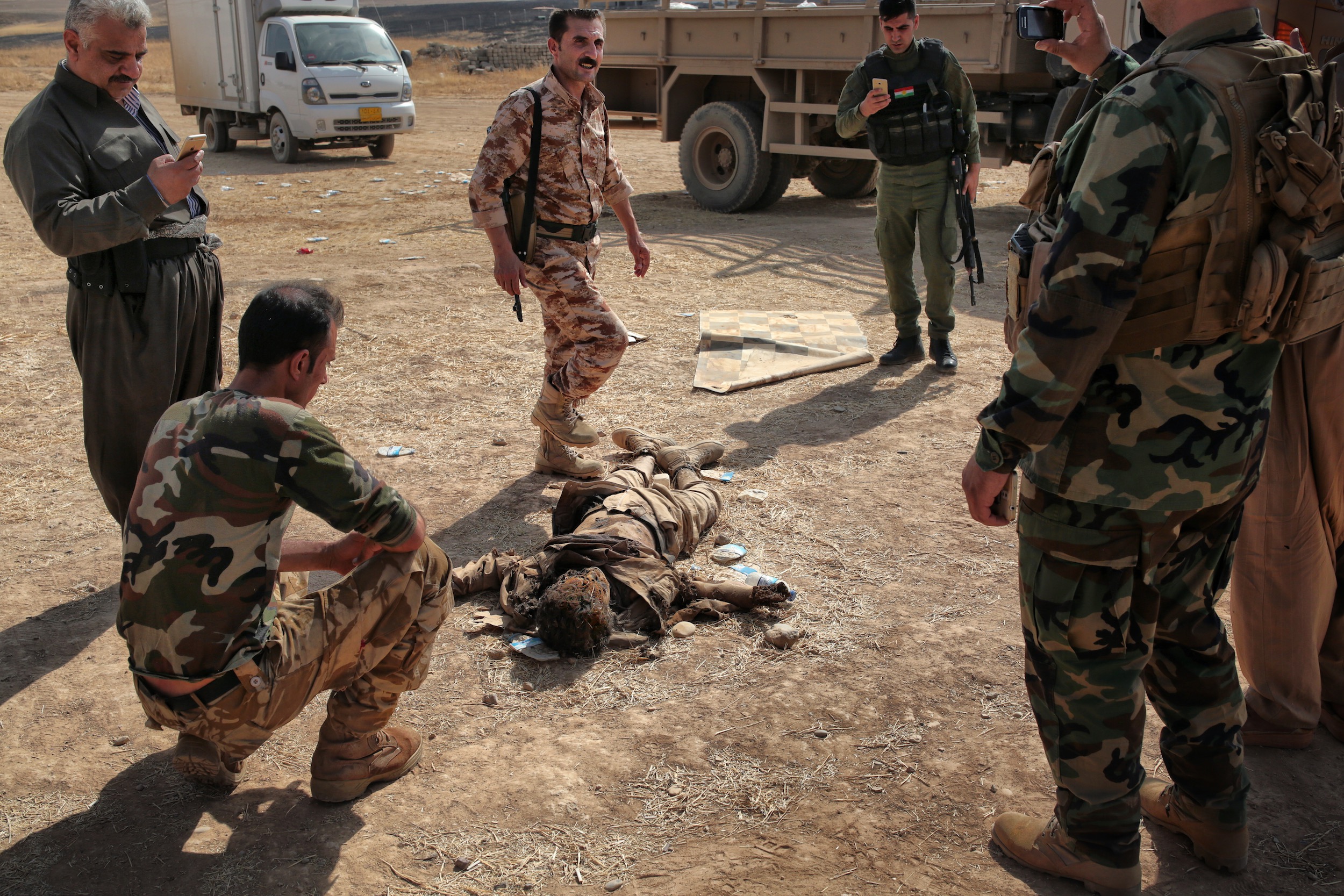
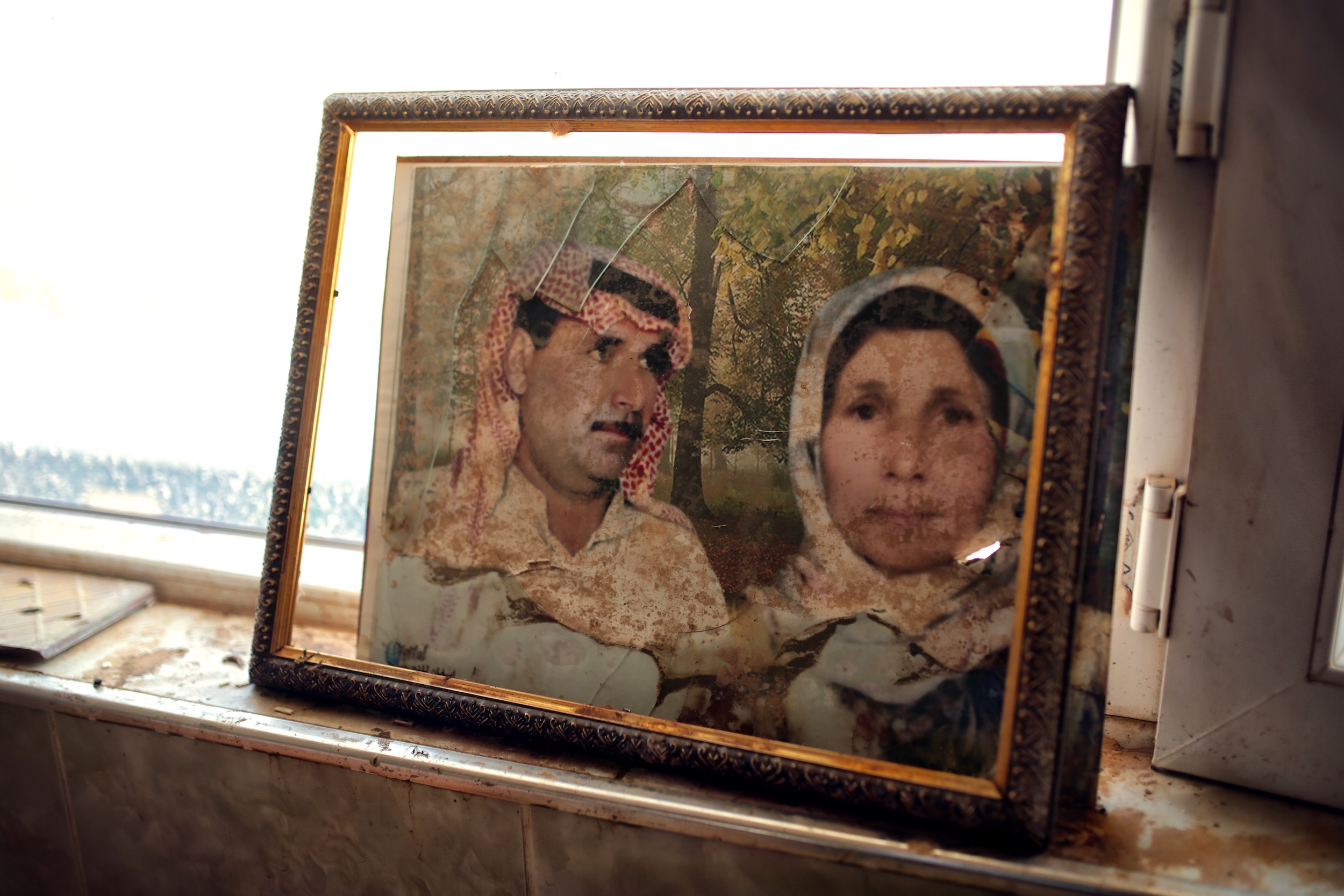
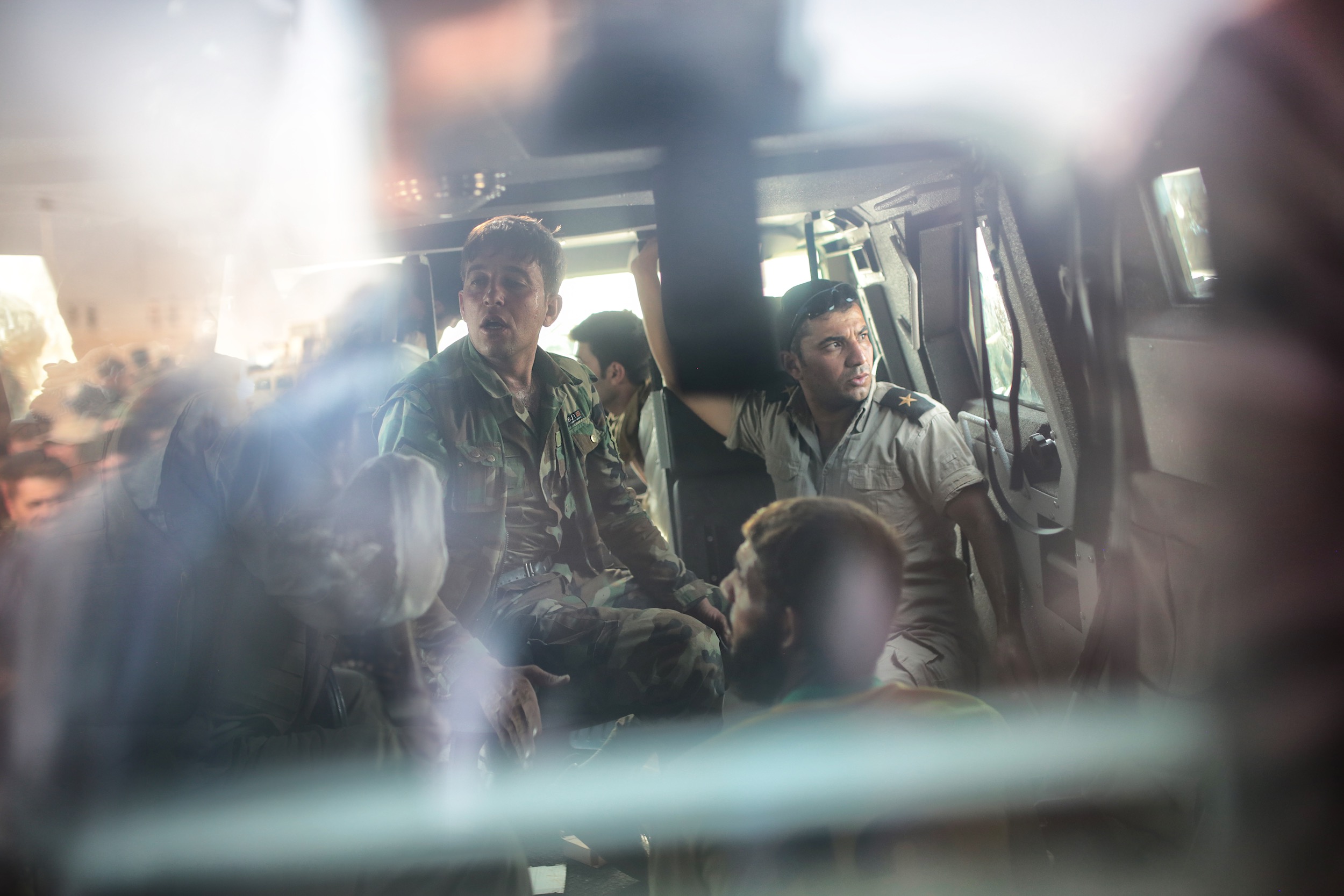
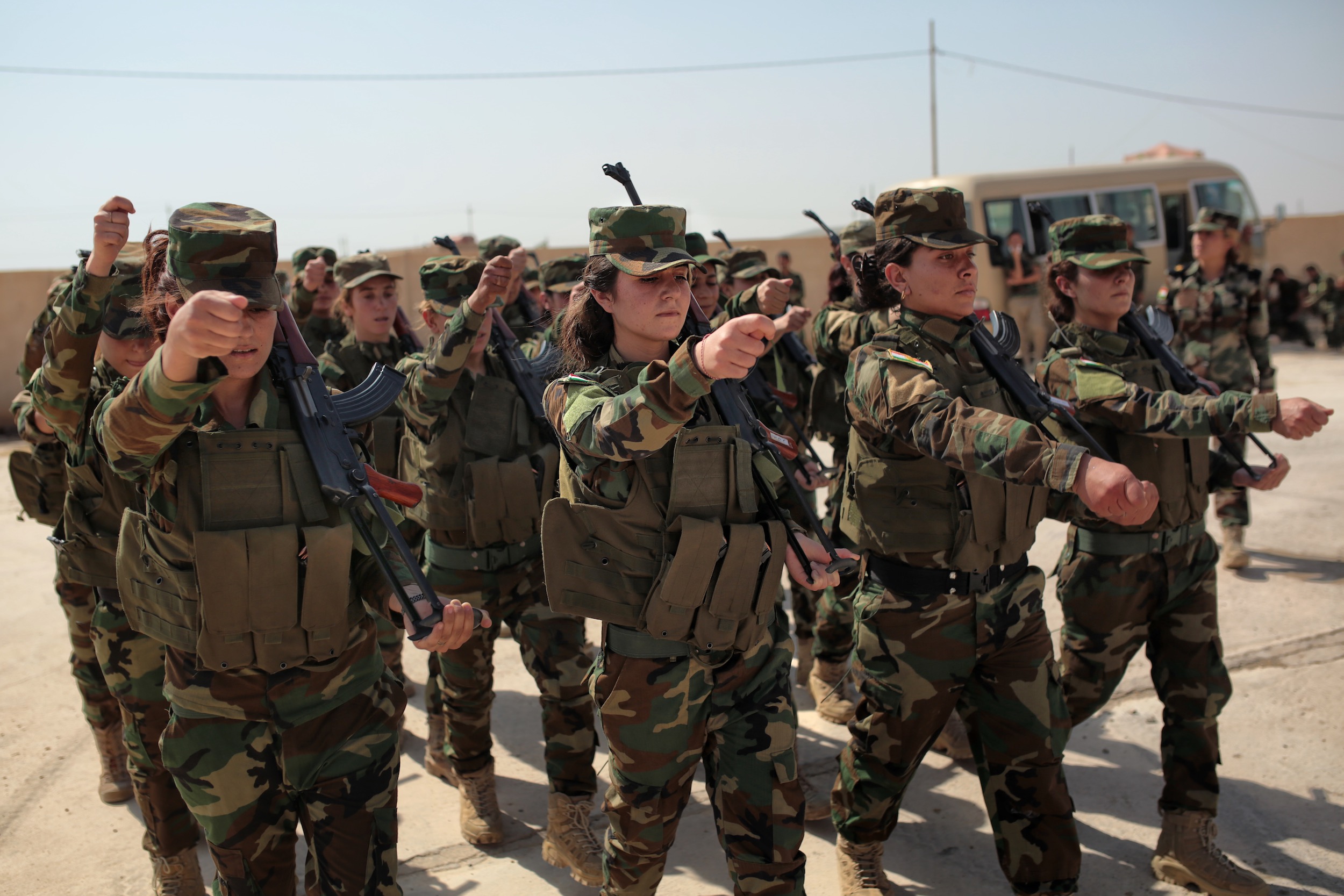
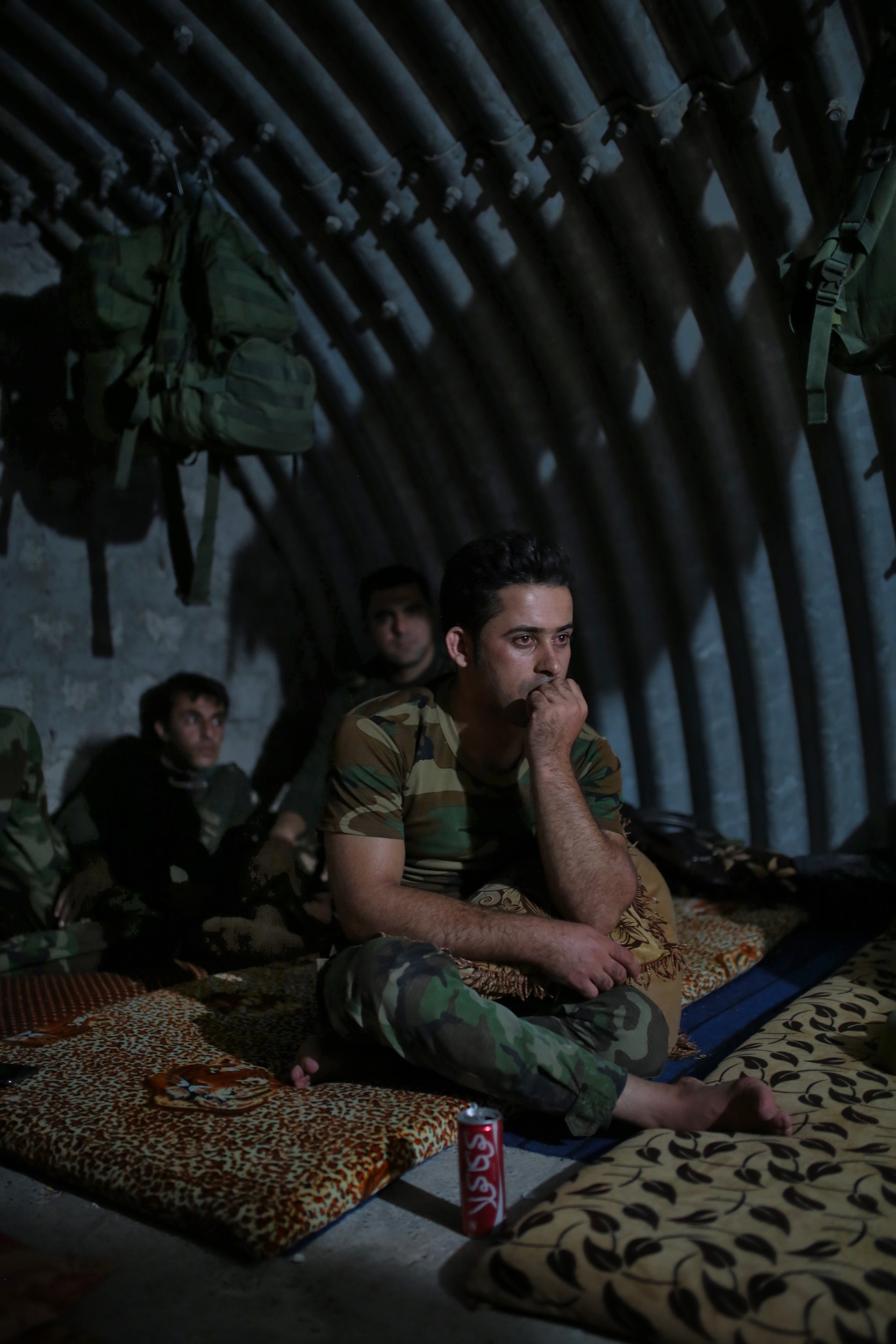
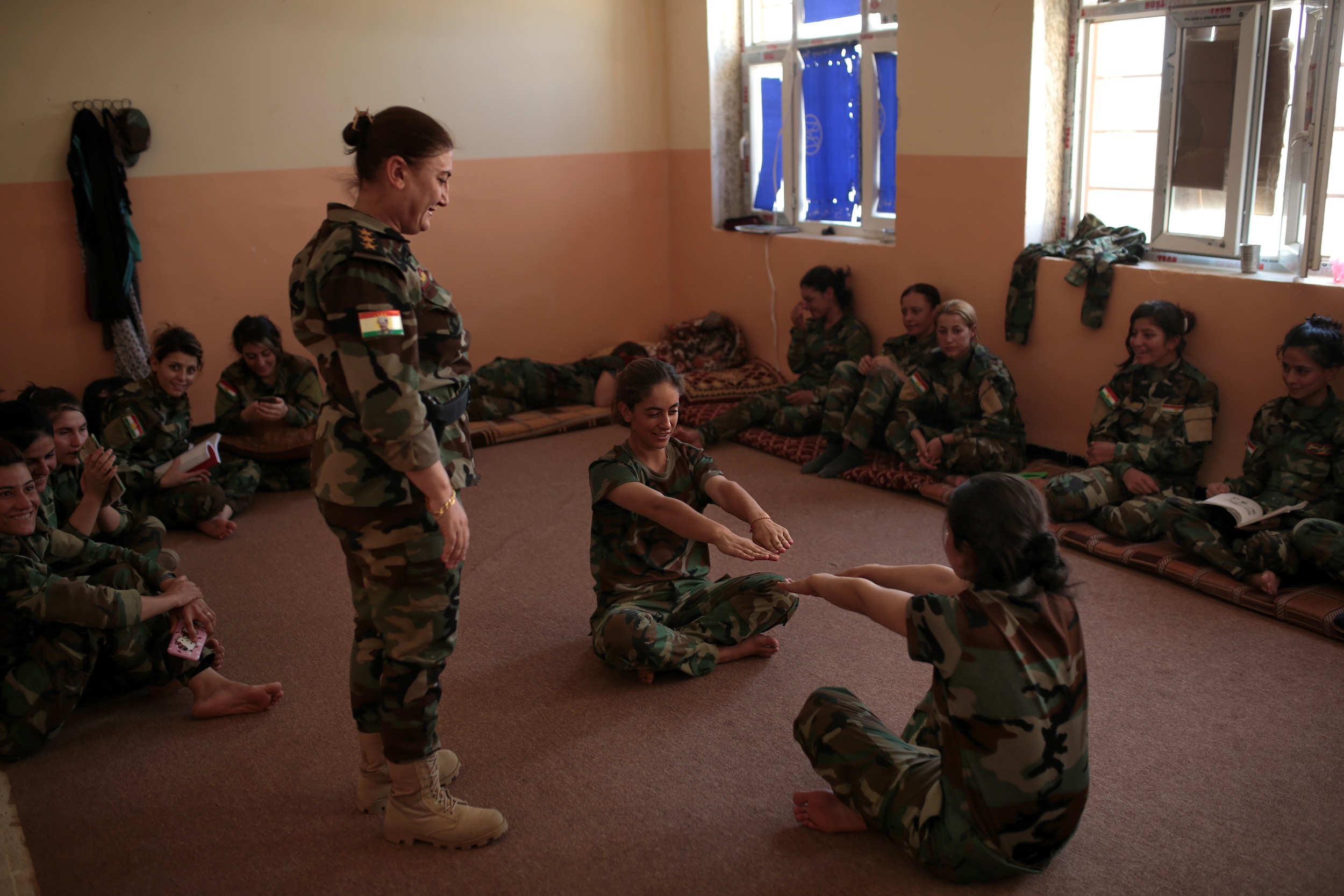
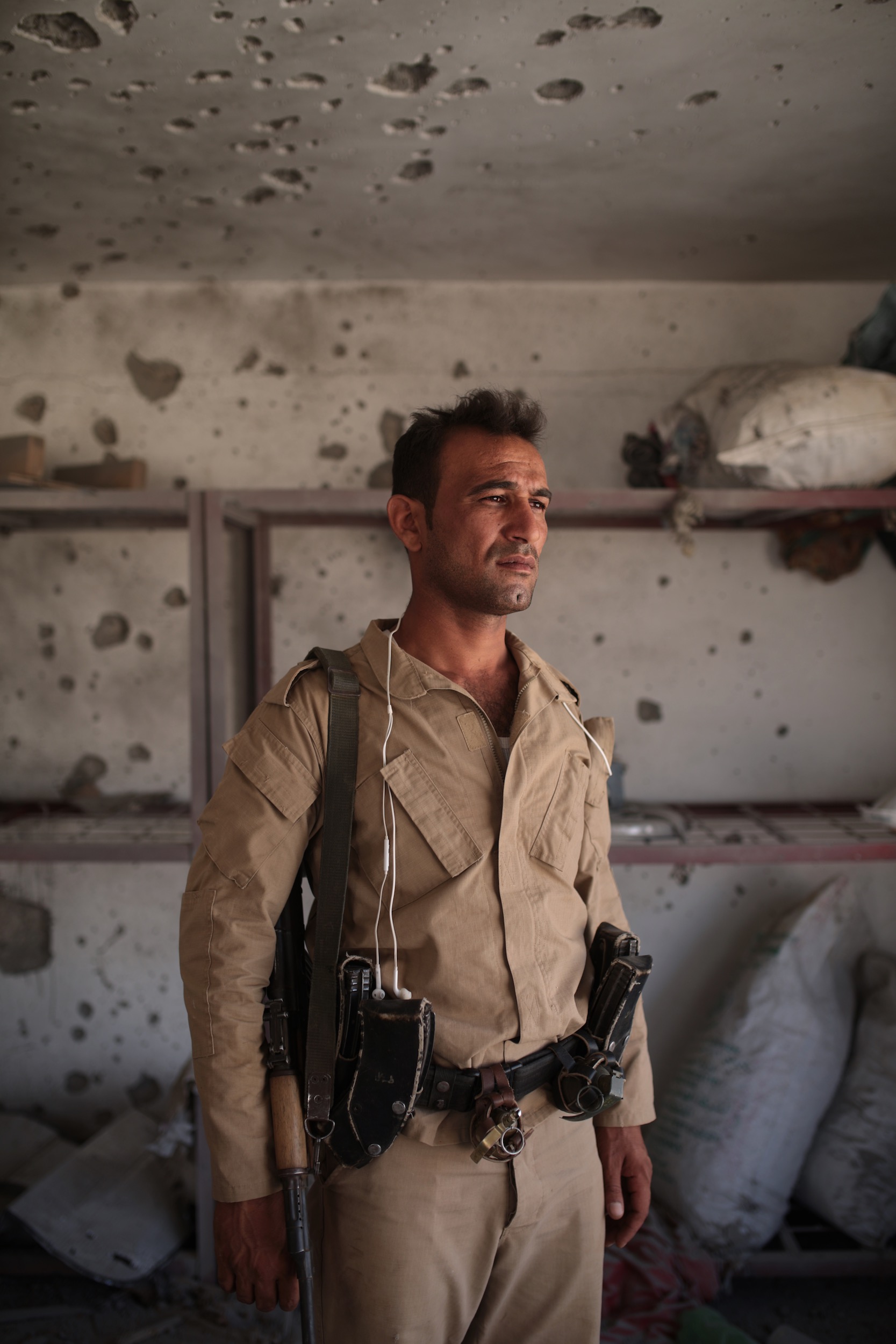
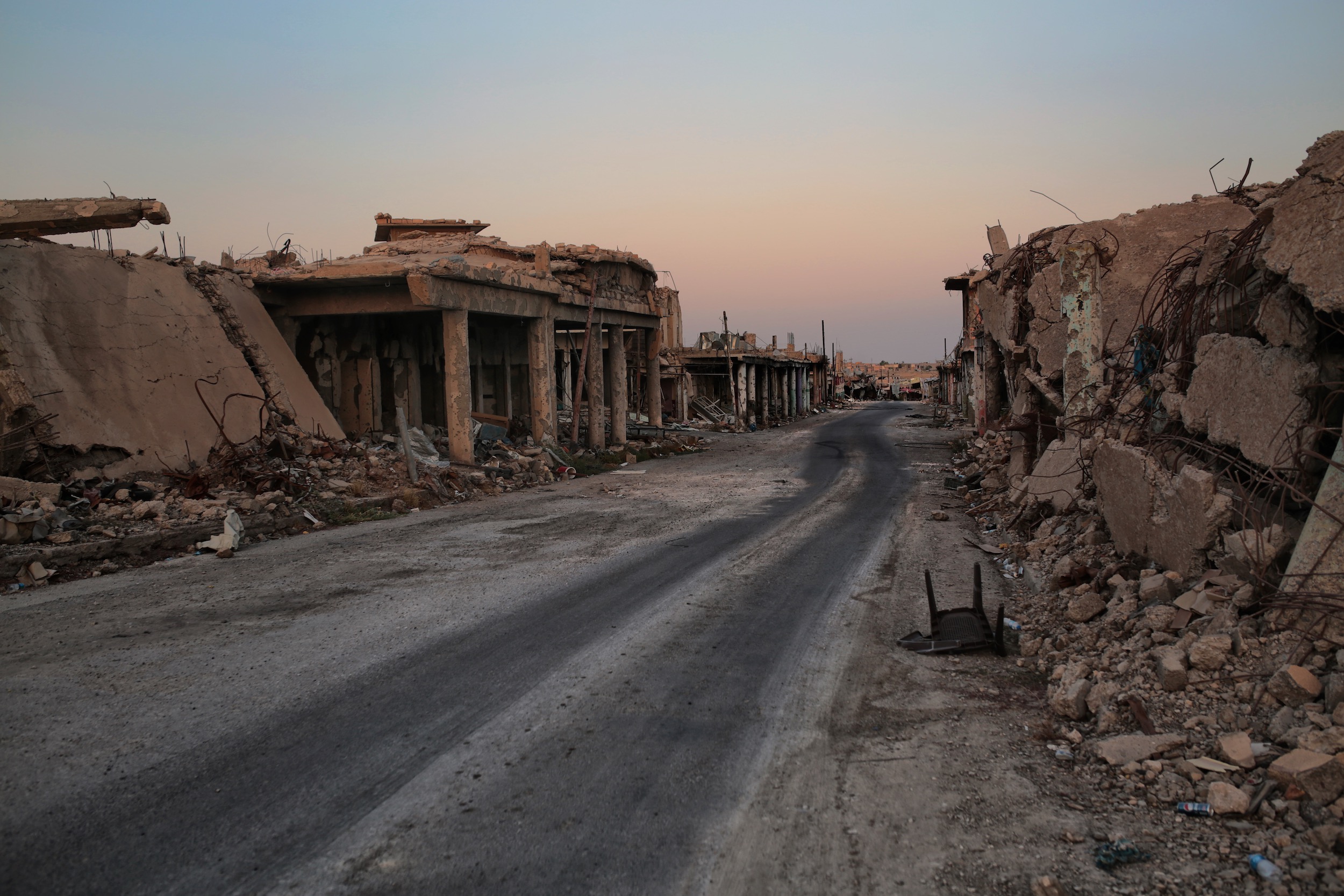
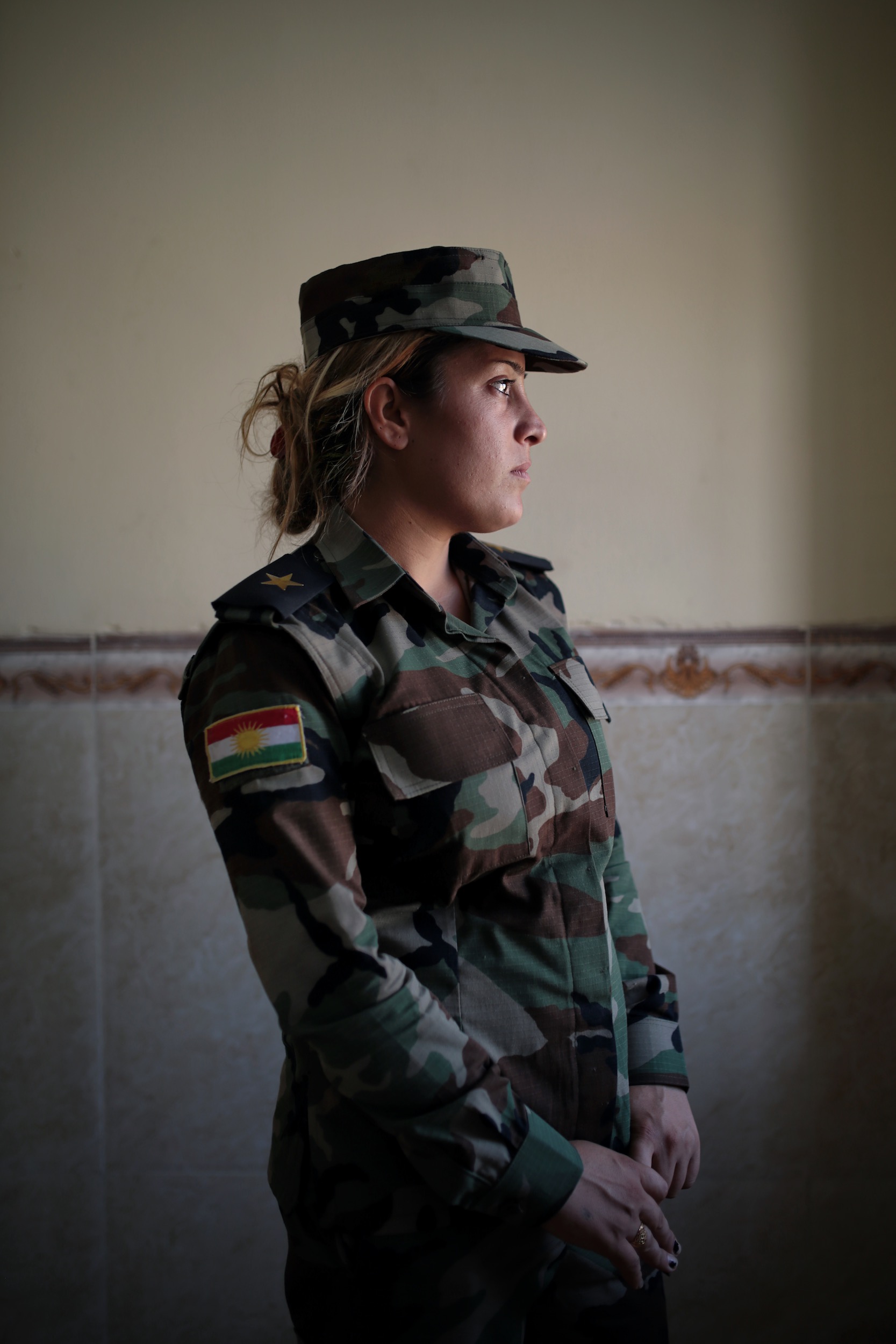
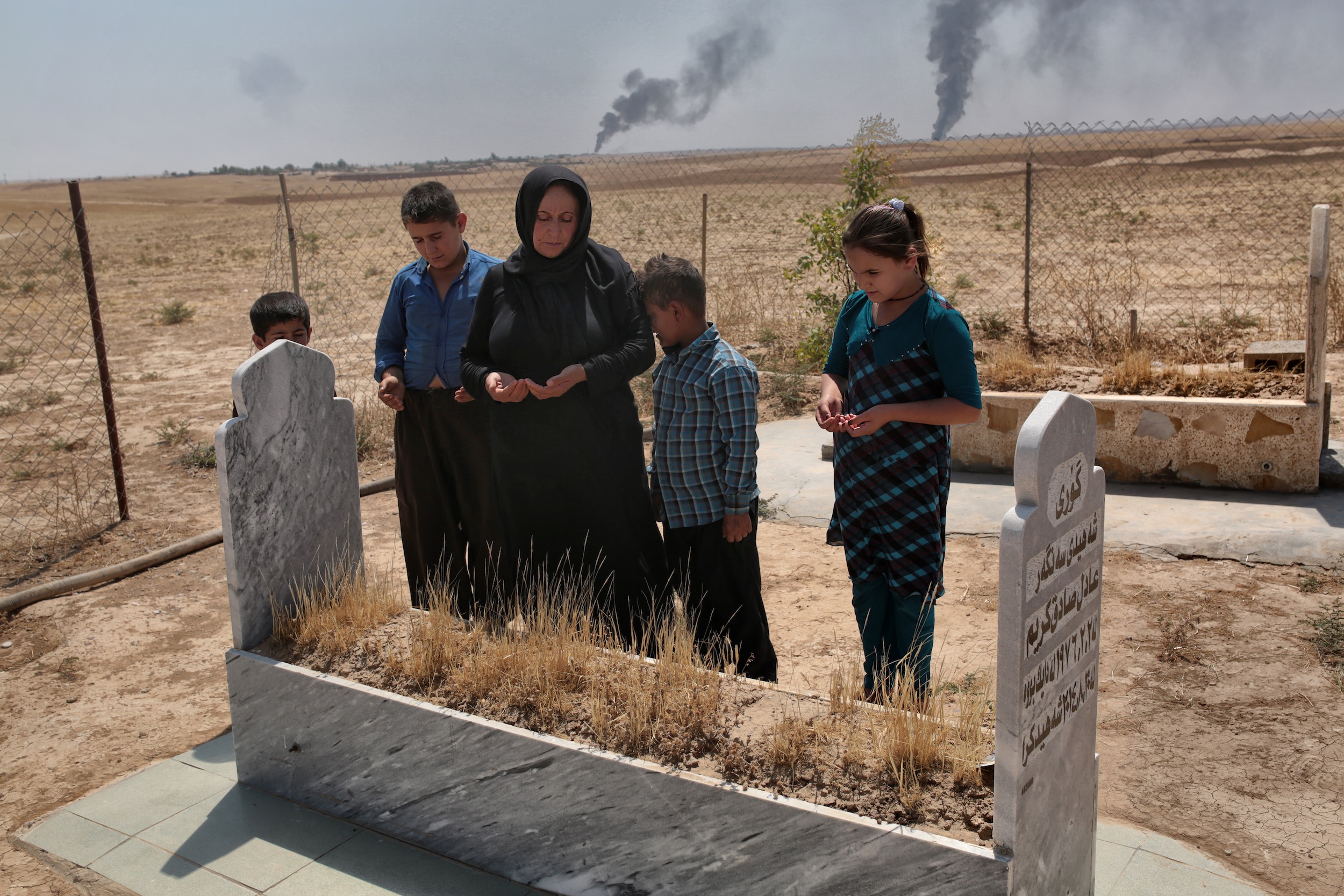
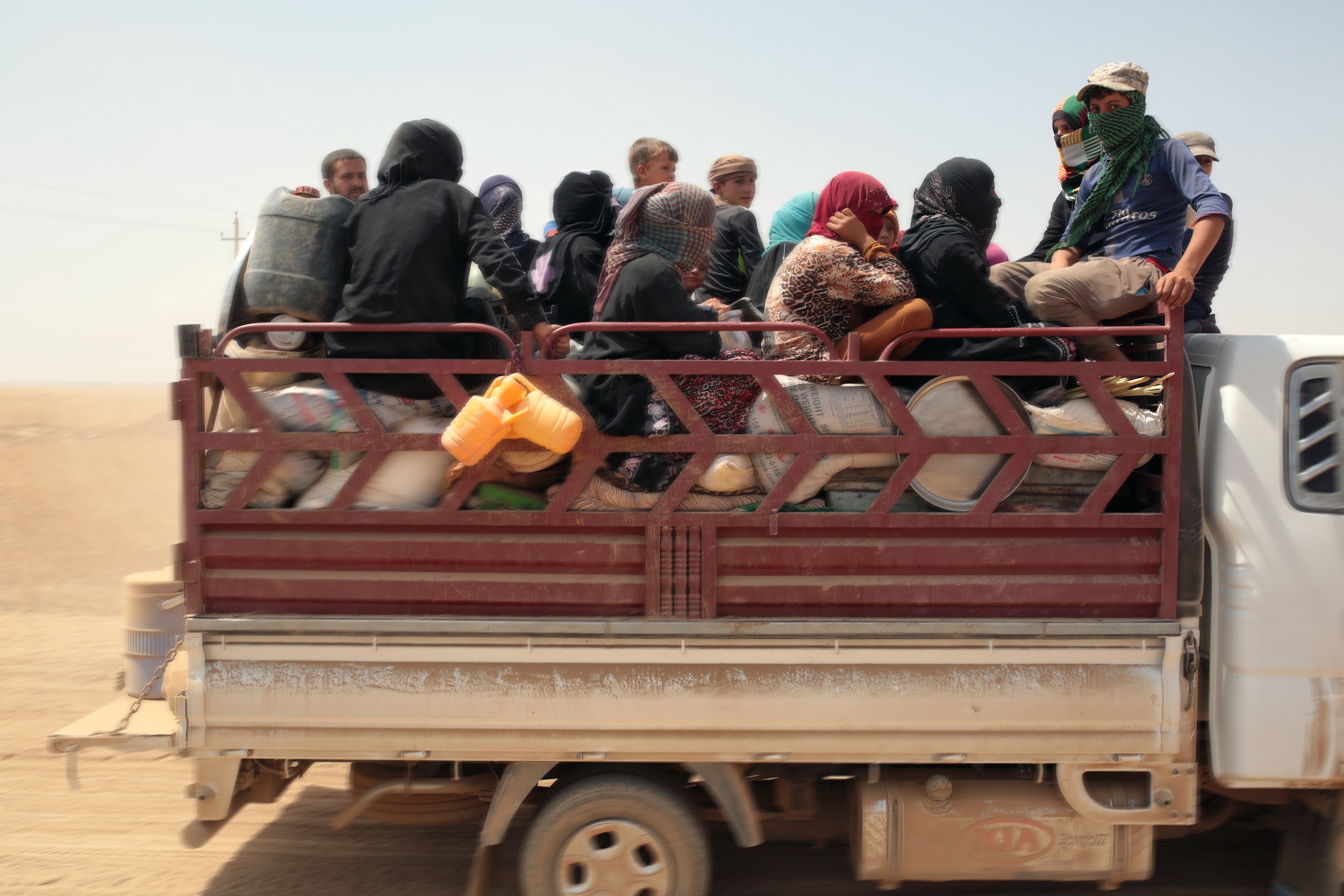
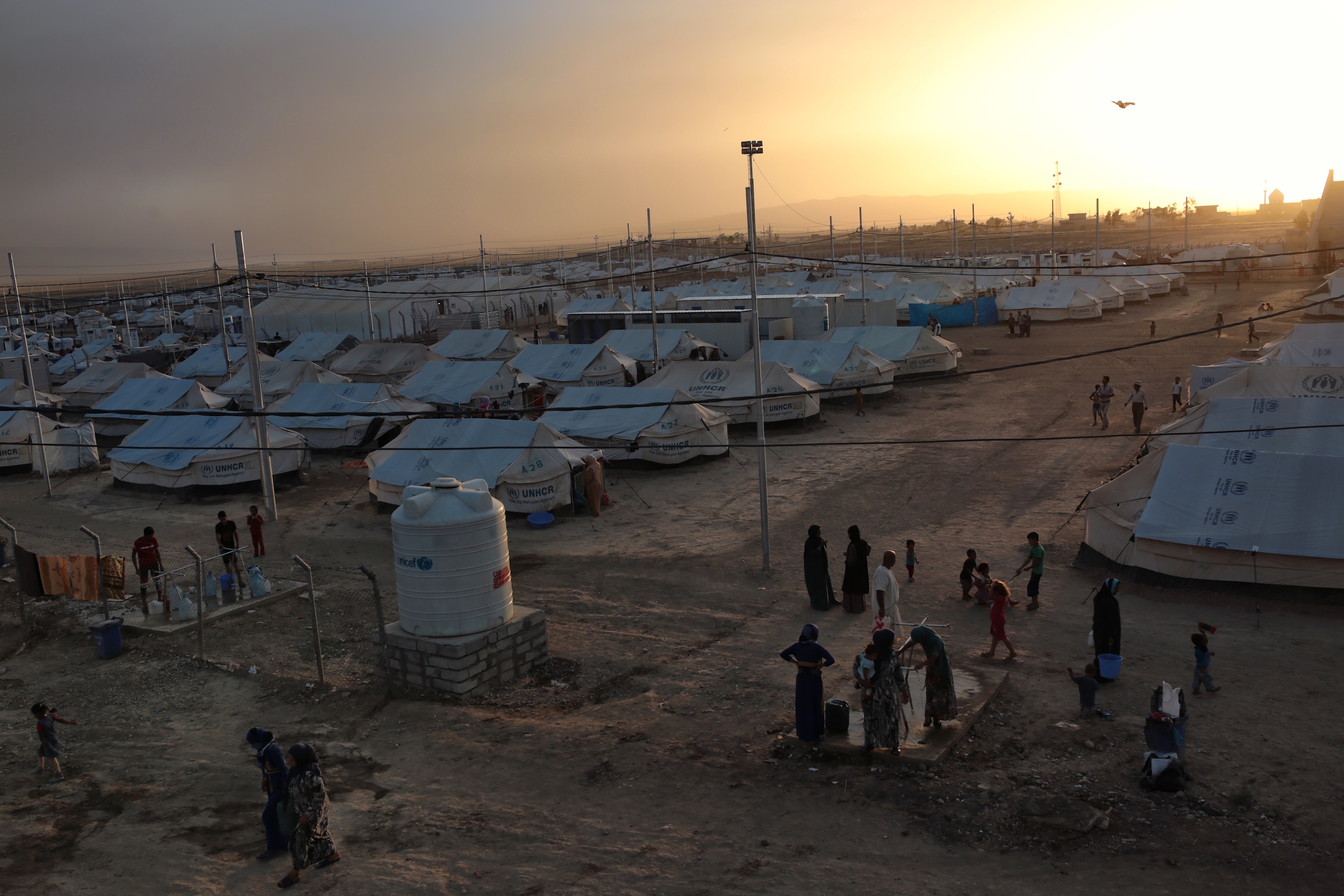
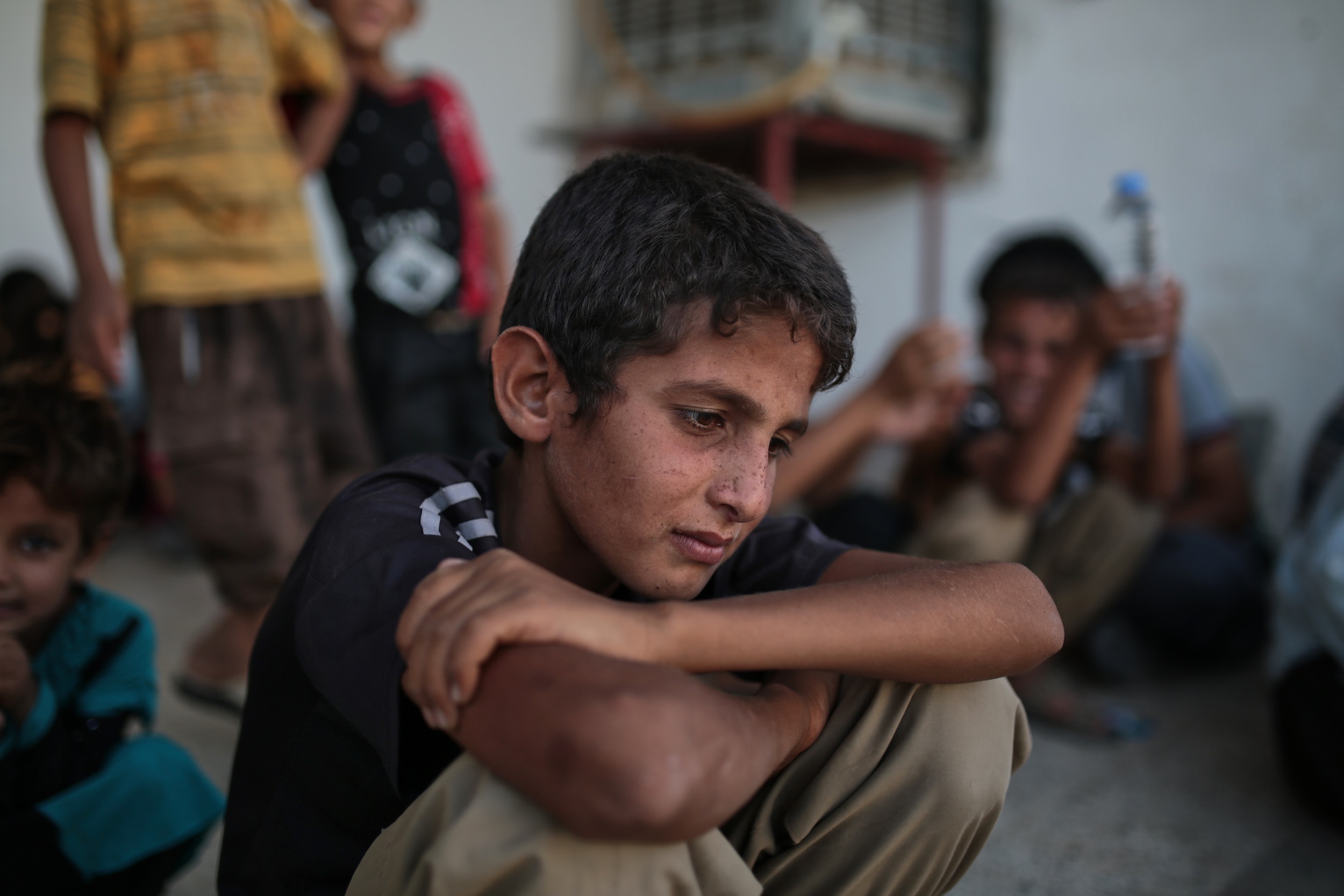
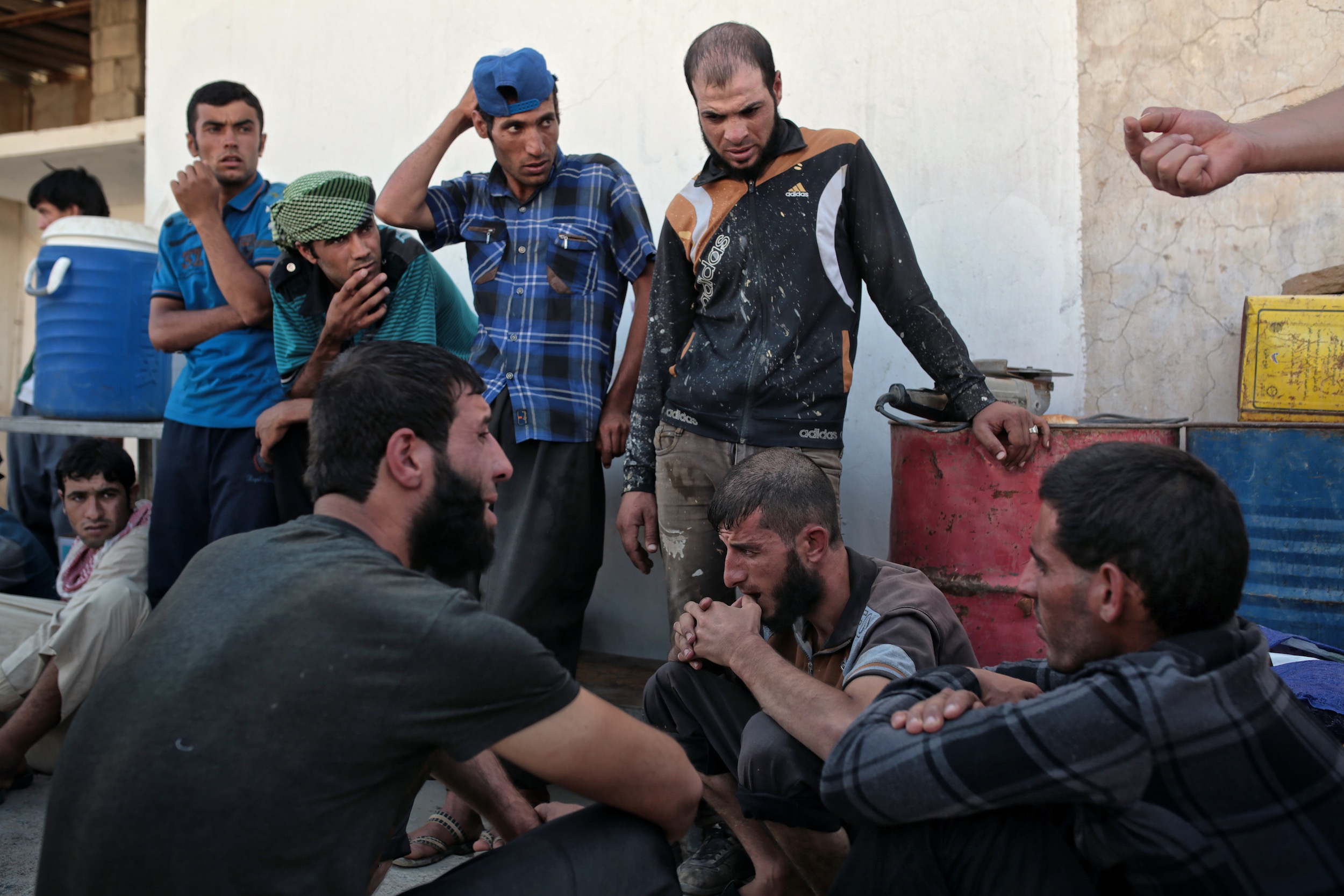
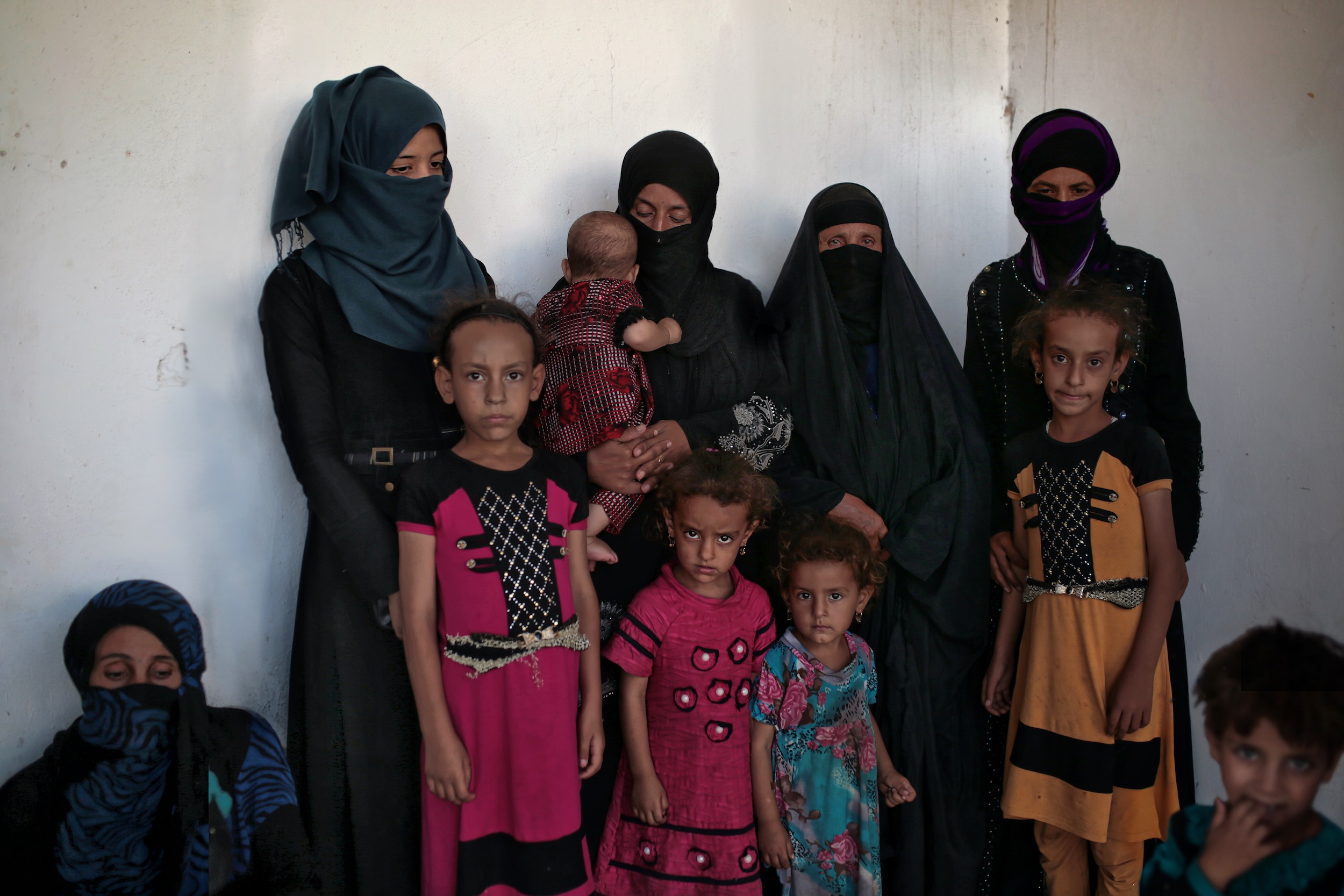
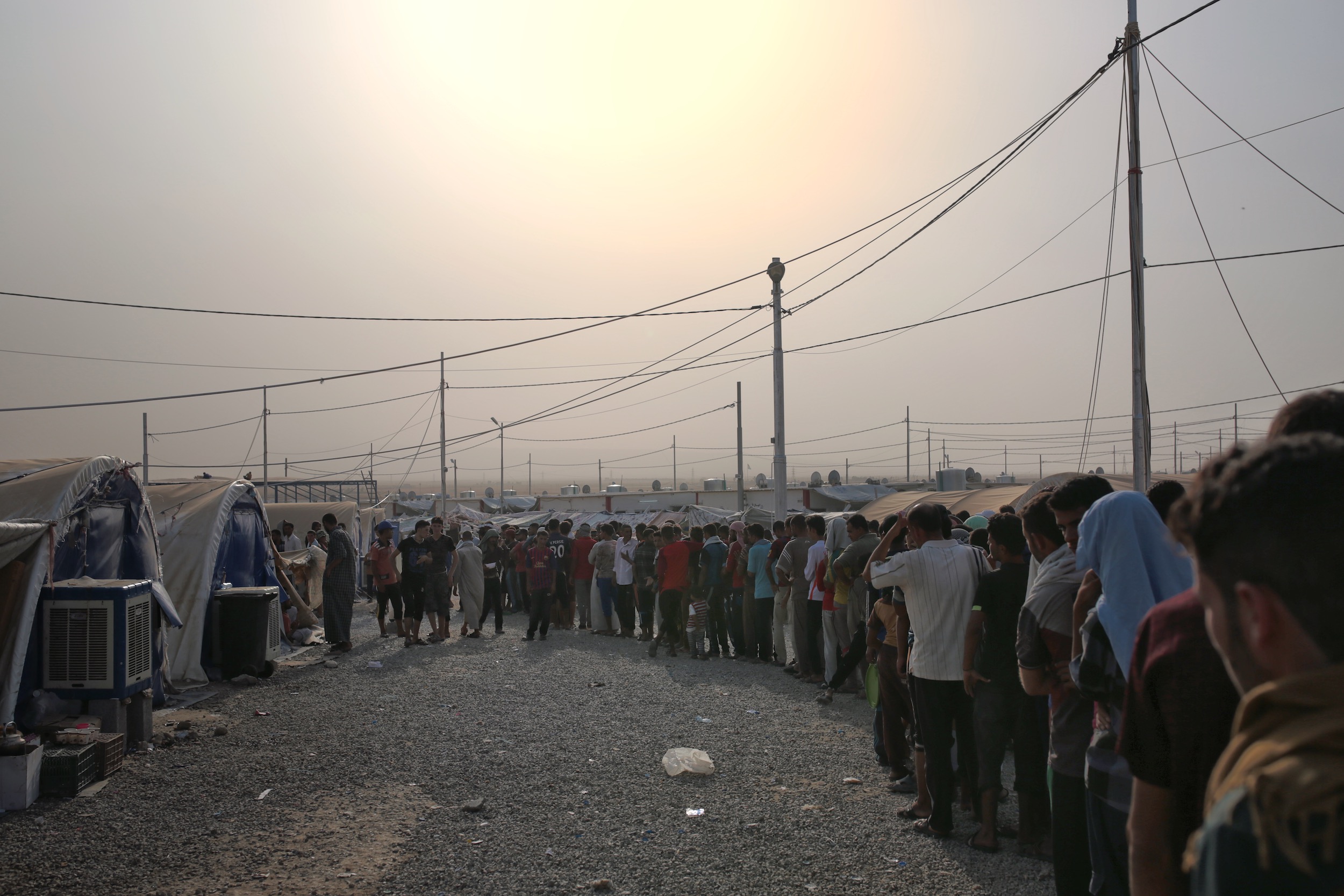
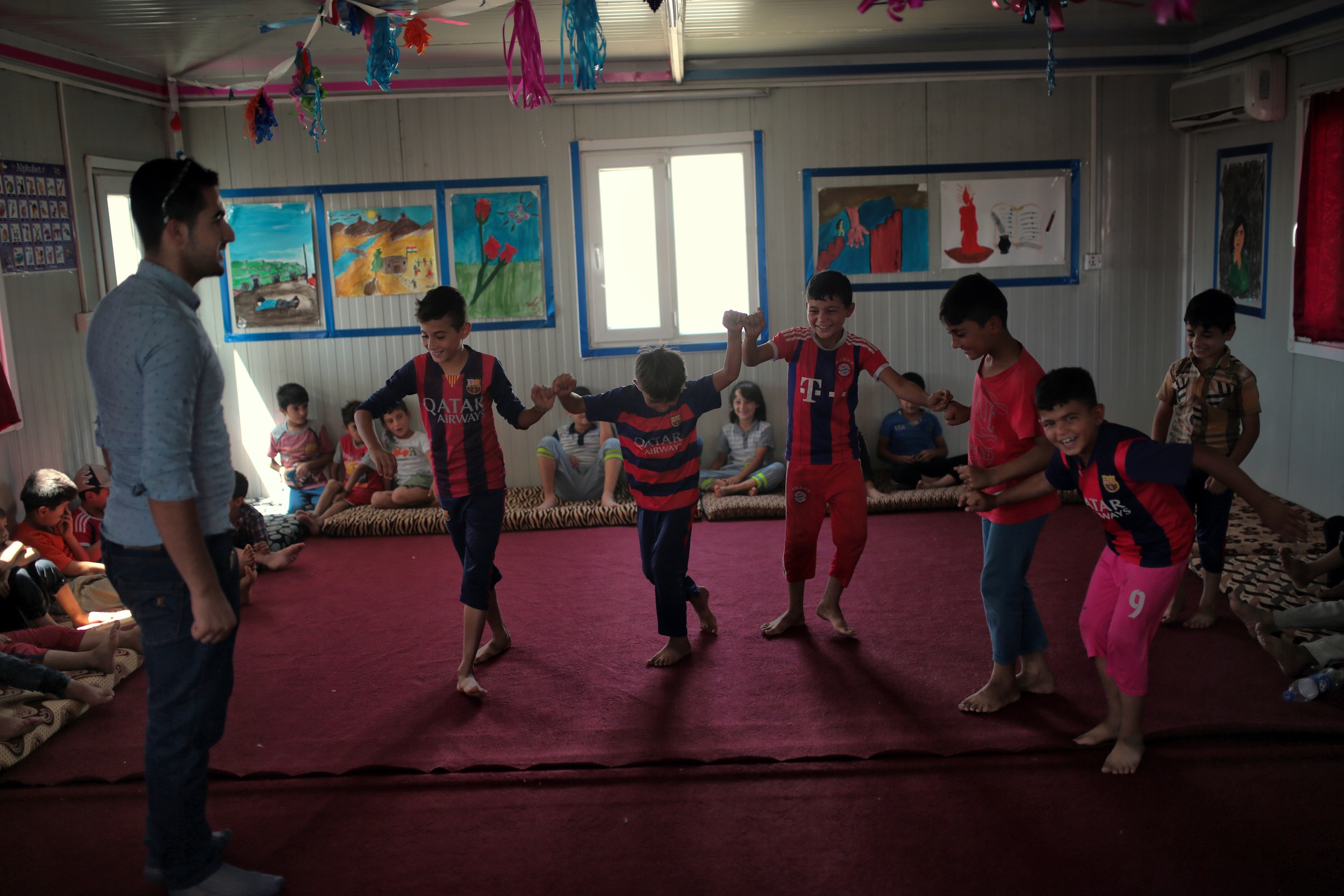
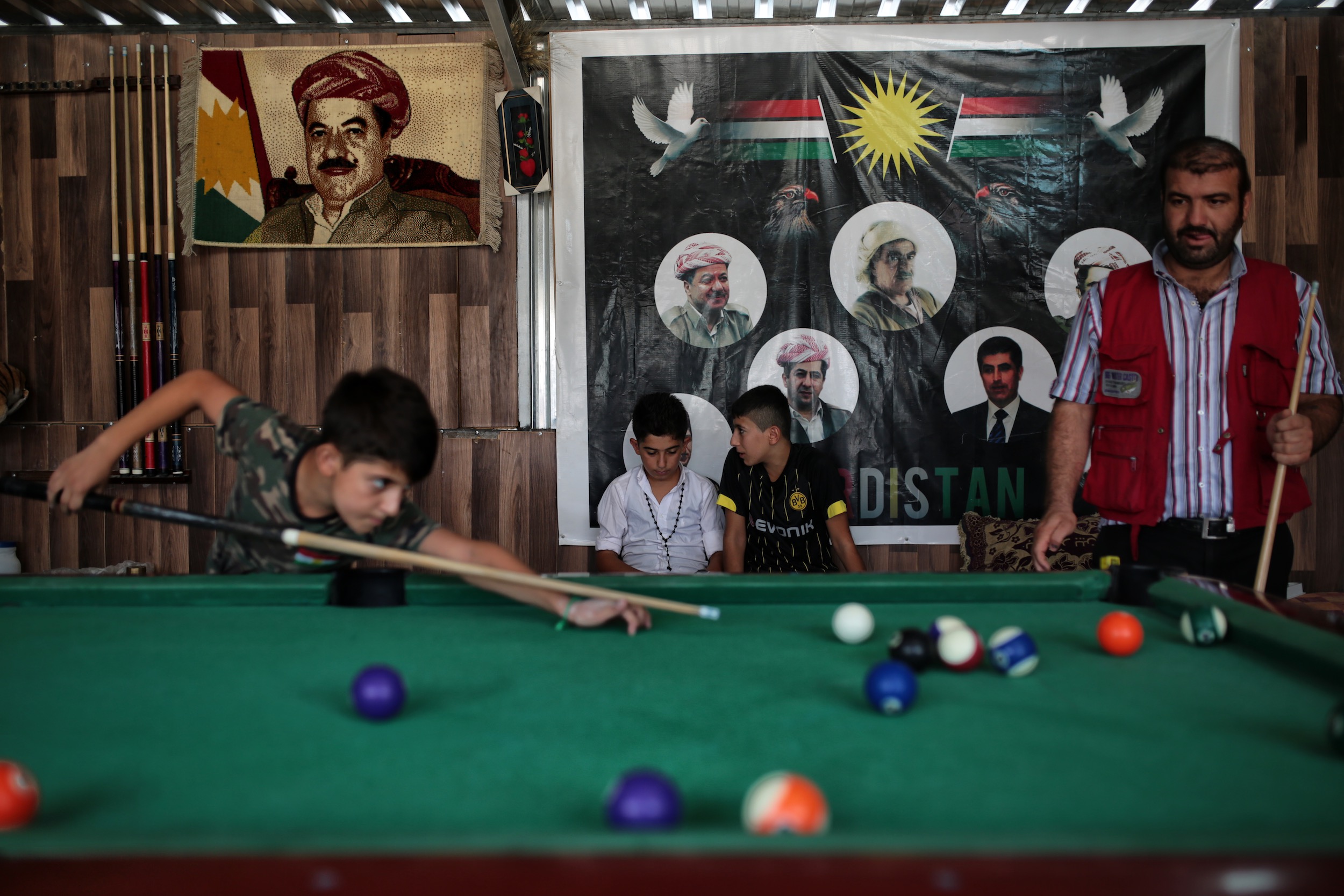
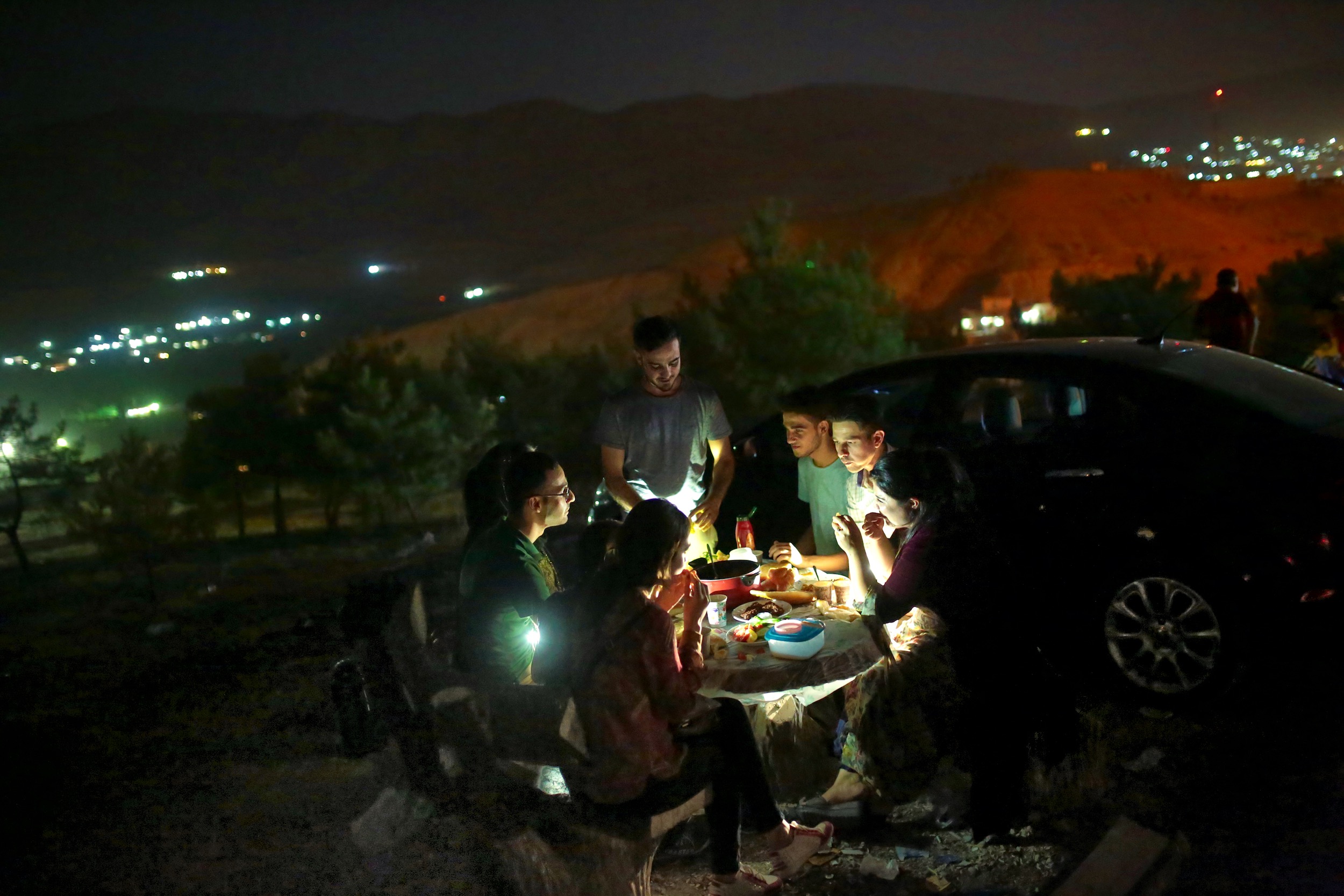
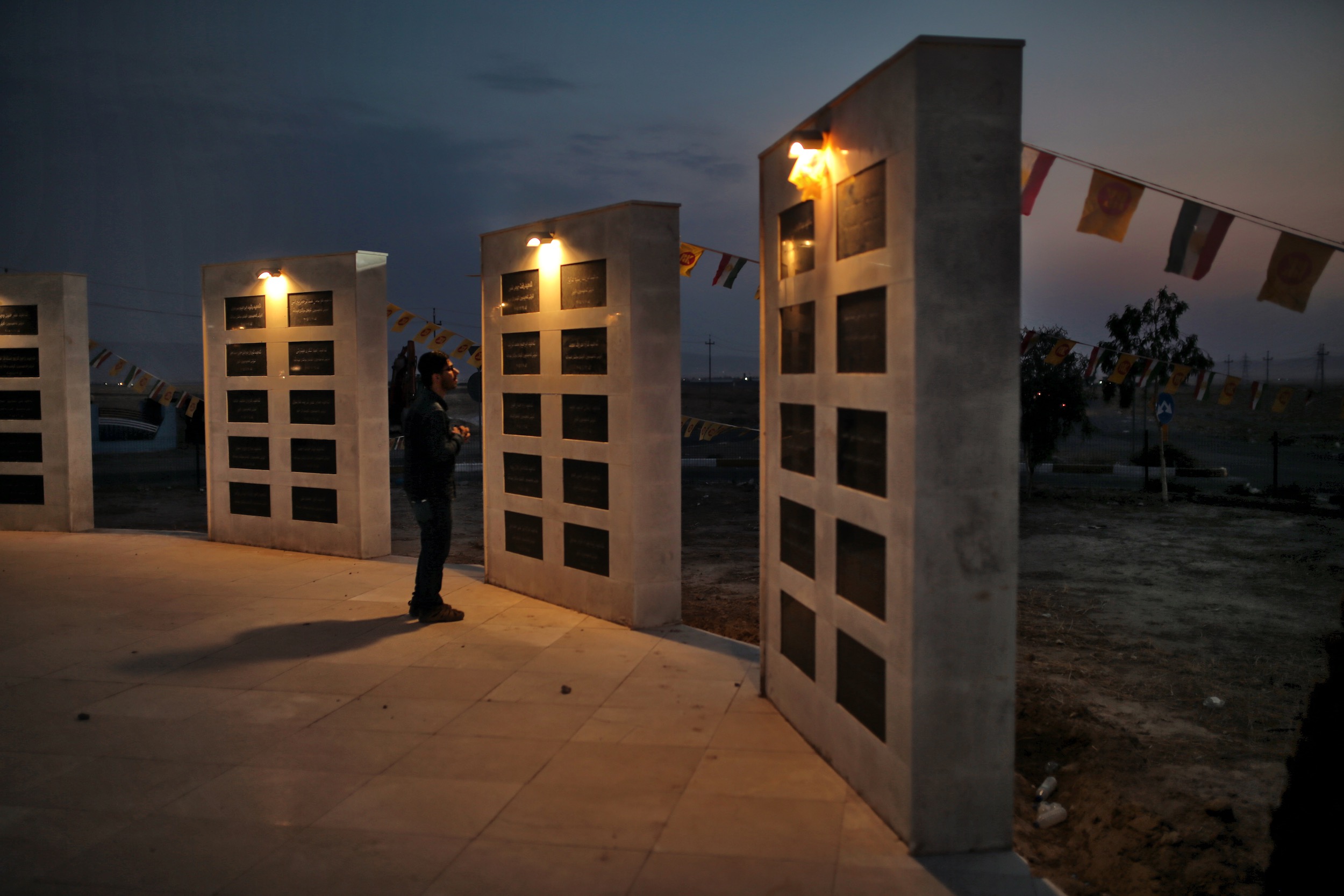
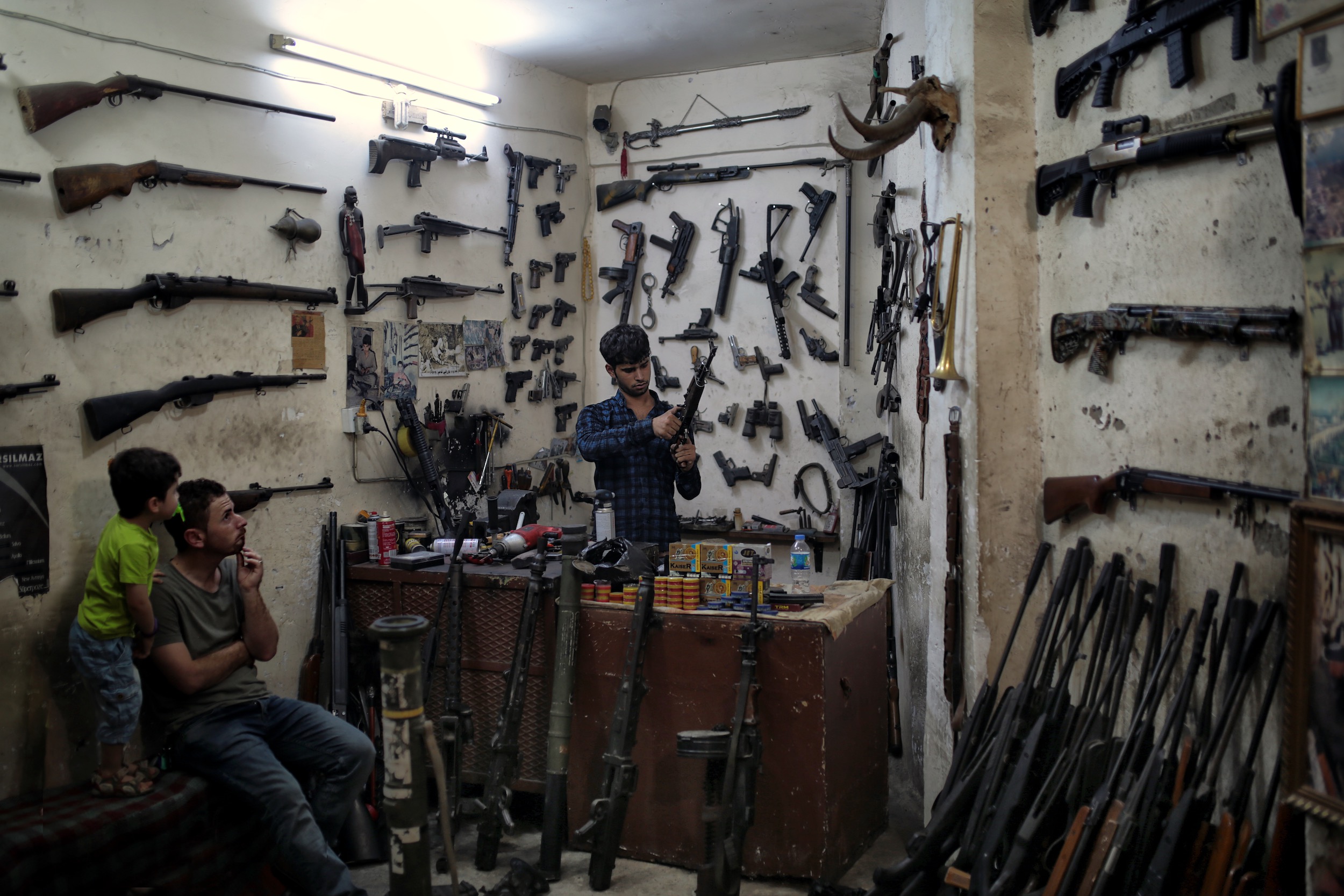
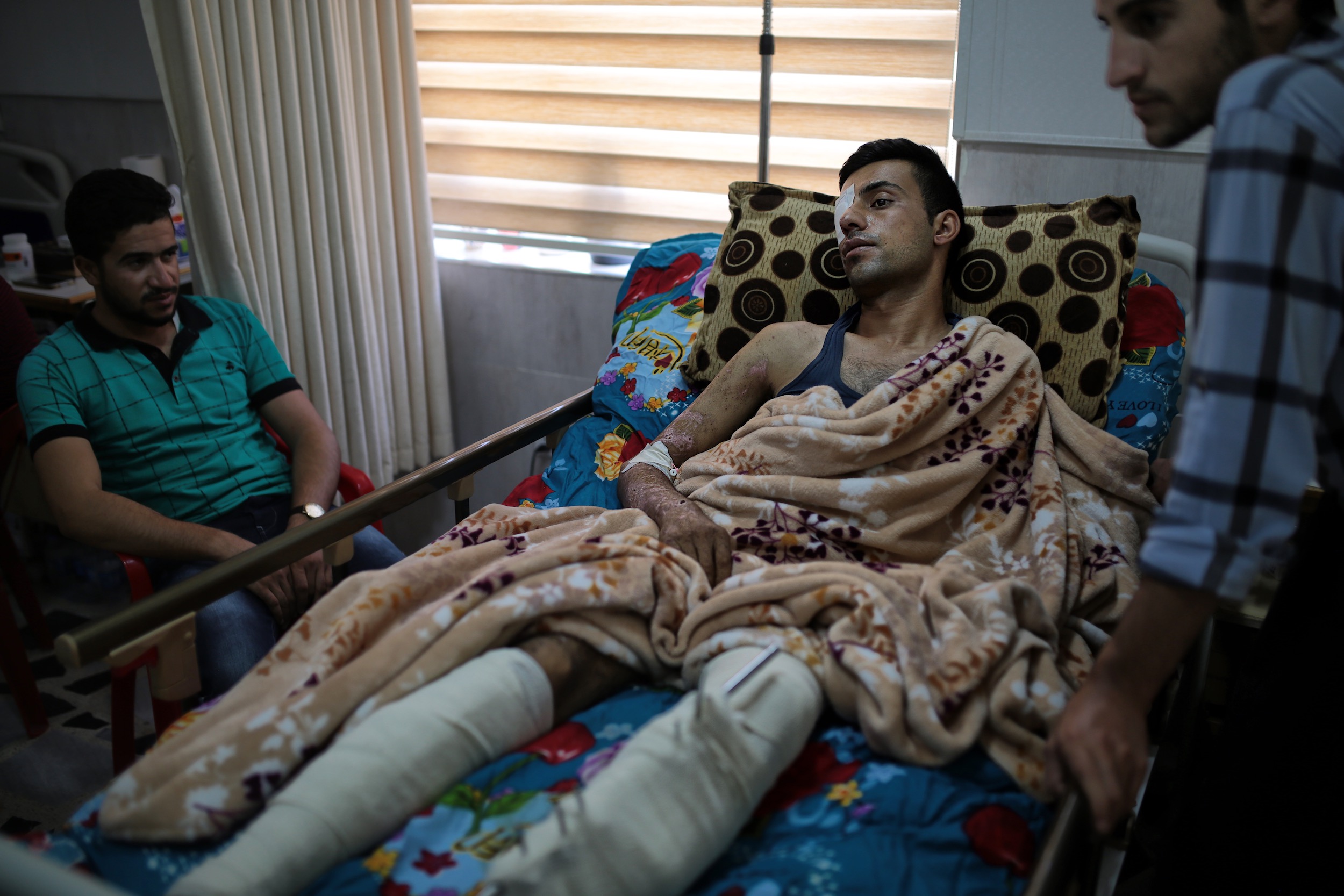
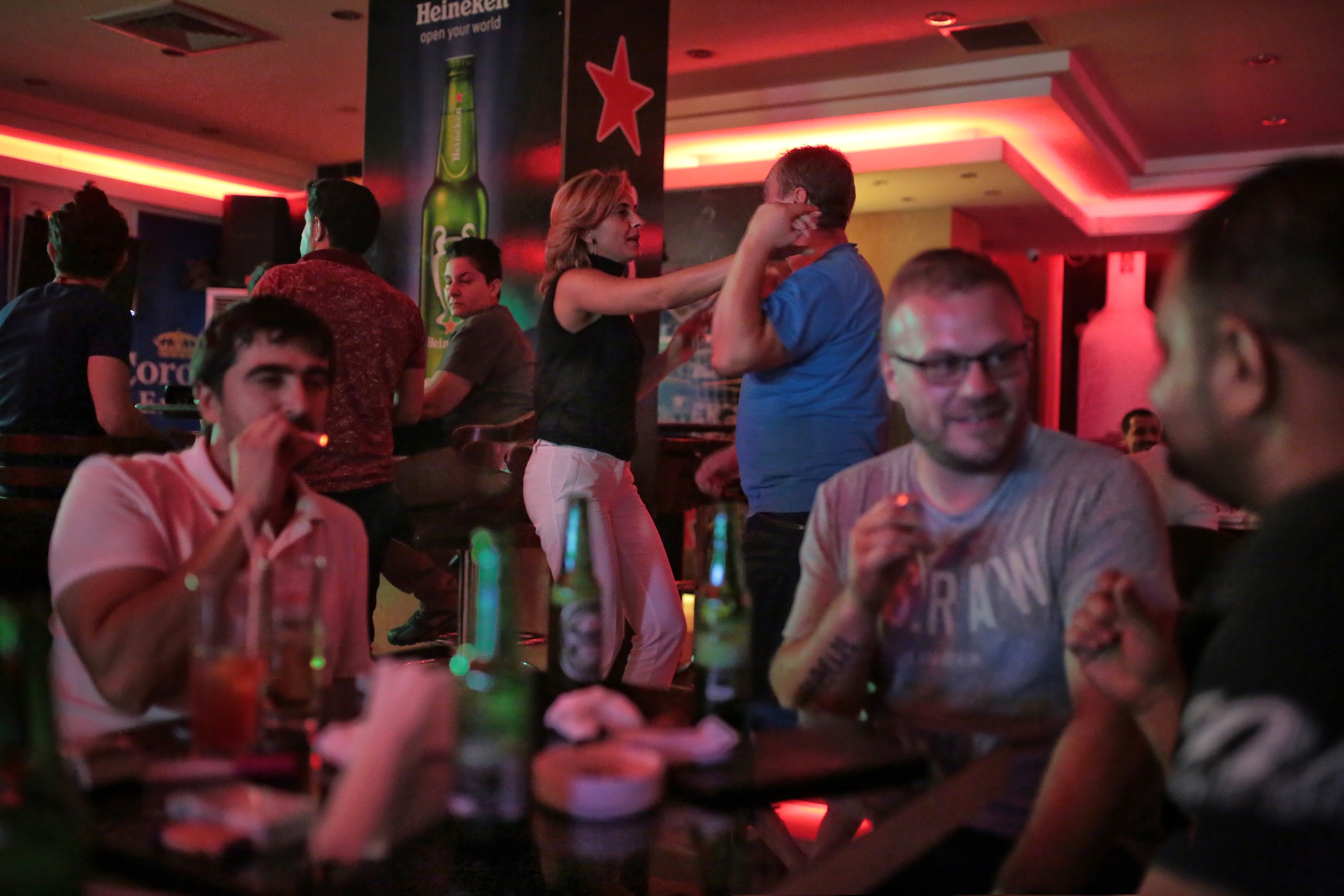
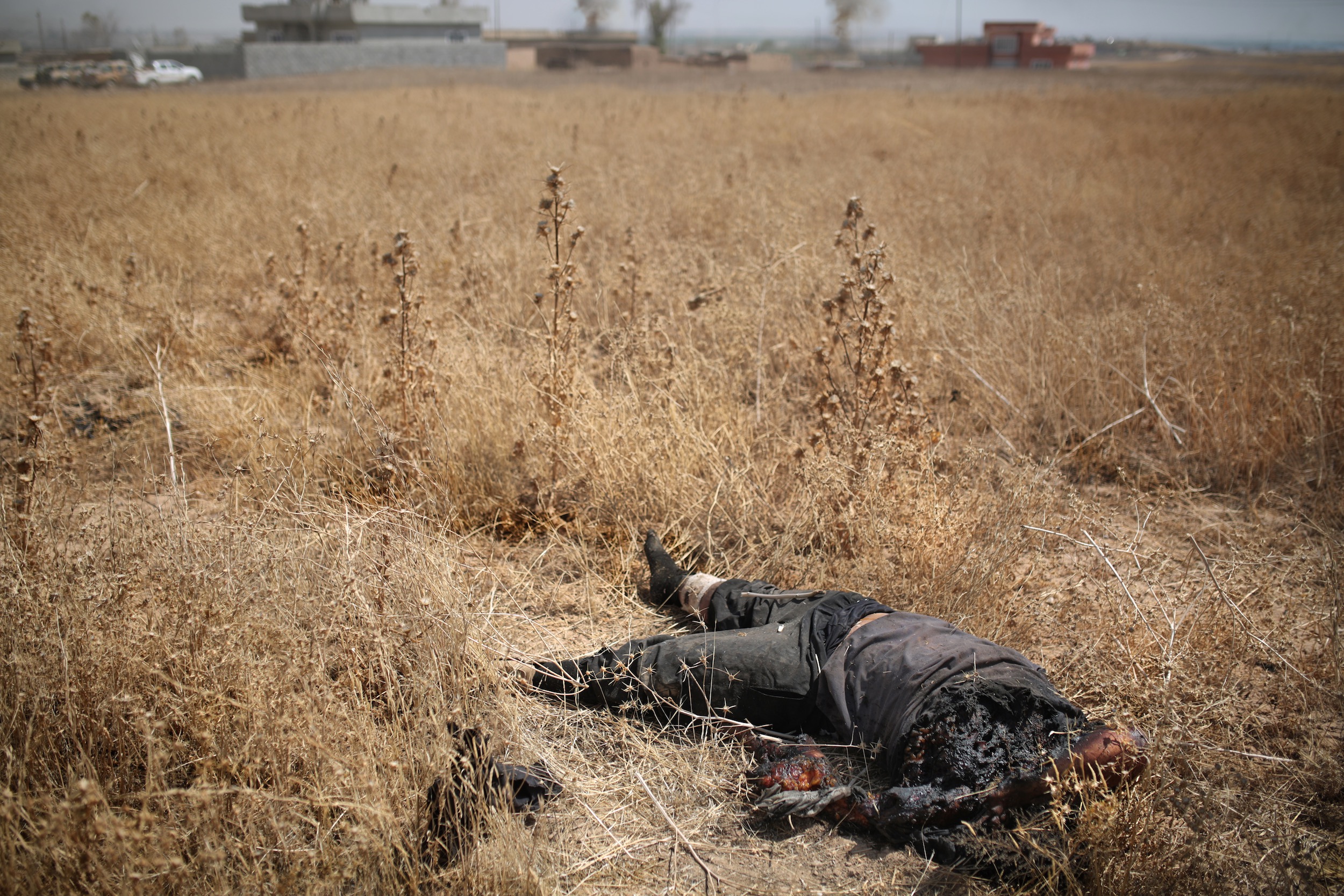
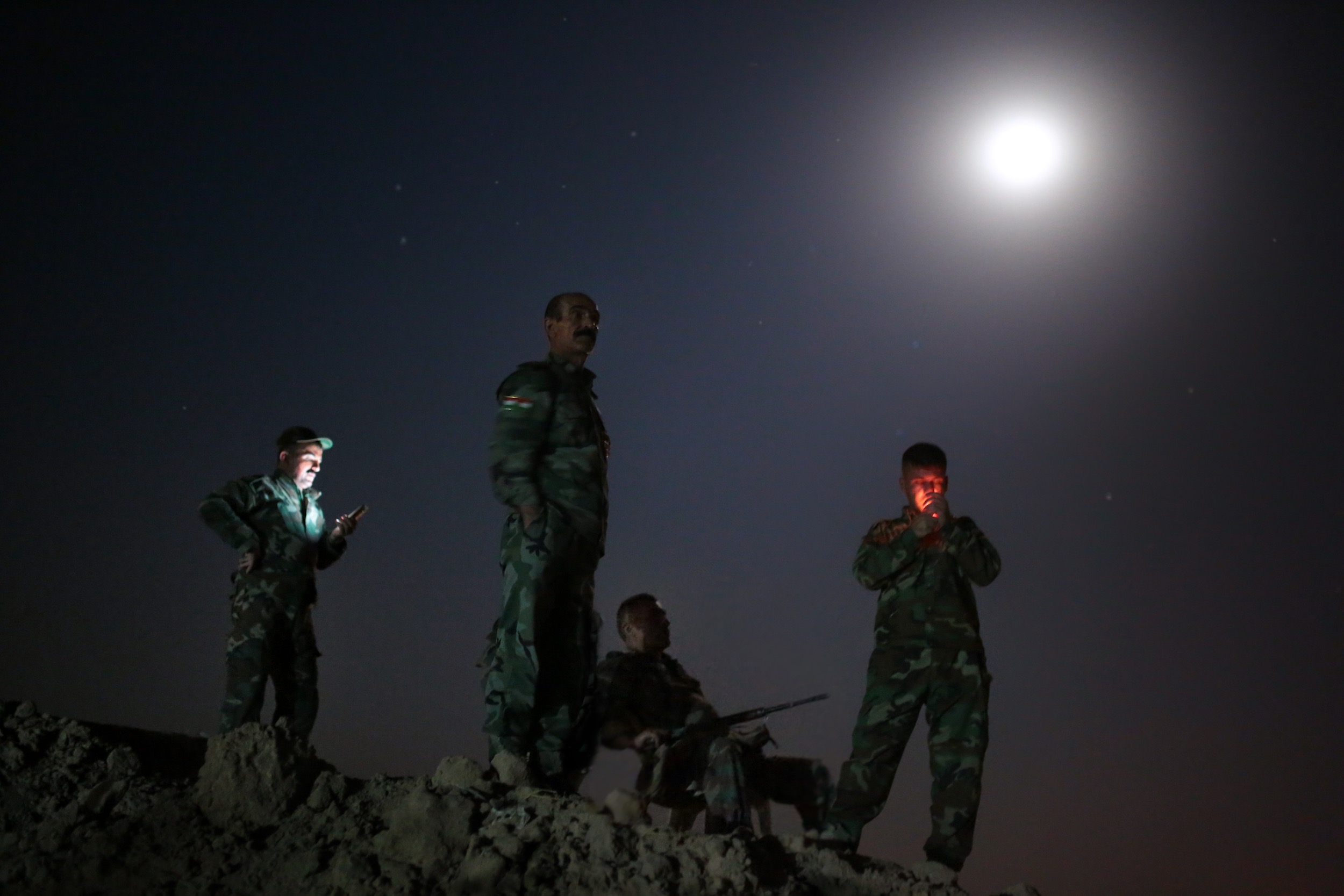
Iraqs Kurds are autonomous in all but name. In fact, Kurdistan is part of Iraq, yet the Kurds live as if within their own independent state, with their own Ministers, Parliament, national anthem, banners and 175,000-strong military, the Peshmerga - "those who face death". Most Kurds freely reveal they would prefer to have nothing to do with Baghdad or the remainder of Iraq. Why would they, when their nation can thrive alone? In 2015, territorial gains by ISIS, however, came hand-in-hand with the drop in oil prices and new tensions with Baghdad, negatively affecting the Kurdish economy. In Erbil today, there are far more cranes than minarets; there are lavish inns, shopping centres and a private complex known as Dream City where certain lofts fetch over $1M. Yet, half-built tower blocks crowd the horizon, as engineers and hot cash fled the nation after ISIS' intrusion. Iraqi Kurdistan remains squeezed between a volatile region - a civil-war-torn Syria to the West, and ISIS' self-style Iraqi capital in Mosul and stronghold over the Western borderlands. It has been this way since 1991 when Kurdistan accomplished successful self-rule, whilst the rest of Iraq fell to pieces around it burning in war. Yet as of 2015, the alignment of power changed in northern Iraq more drastically, with Kurdish forces currently controlling Kirkuk and Sinjar, and various hardline factions vying for autonomy over vast territories managed until recently by Iraq. This new status places the Kurds in a dilemma : the world needs the Kurds to battle ISIS, yet their principle interest remains in establishing an independent and secure Kurdistan. With ISIS looming close, the many groups of warring Kurds have come to stand as one, sharing the dream of an autonomous state, while life in urban communities - in Erbil, Dohuk and Sinjar- limps on under the ever-present shadow of war. After months, the military campaign to retake Mosul, Iraq's second-biggest city, is still stalled in an overwhelming battle. Seeking to escape the action, more civilians than ever are taking the risk of evacuation, hoping to discover help beyond the reach of ISIS. One story lies in the numbers: over 400,000people have been since the fight displaced since the fight for Mosul started -50% under-age, according to the UN. In any case, the mass migration has only just begun. The million individuals still in Mosul, bunched on the west of the Tigris River, where the battling is proving most troublesome, are set to join 3.3 million Iraqis — for the most part Sunnis — uprooted across the nation.Most are yet unable to return their urban homes - unsafe though now liberated -so they have had to take shelter, and build what lives they can within under-resourced, squalid aid camps. With the fighting becoming ever more brutal and drawn out, humanitarian workers are concerned that Iraqi forces will adopt more aggressive tactics, putting civilians at greater risk. Some even fear that the increasing number of refugees, and their vulnerability, could bring another wave of sectarian revenge in a country rife with it. Today, as the fighting drags on, and each day more families trickle out from the battleground, this series looks at the consequences of this region’s newest war and the toll it takes on young soldiers, civilians and cities.
Writer & Director
Souvid Datta
Fixer / Local Producer
Honer Hêz
Samad Hasan